


PT-141 10MG Peptide | CNS Arousal & Libido Research |
PT-141 (Bremelanotide) 10mg is a potent, neuroactive peptide utilized in advanced research into libido and CNS-driven arousal. Unlike vascular-based compounds, PT-141 works directly in the brain to activate MC4R pathways, making it the premier subject for studying desire, HSDD, and neurological sexual response in both male and female models. STRICTLY NOT FOR HUMAN CONSUMPTION.
- Estimated Delivery : Up to 4 business days
- Free Shipping & Returns : On all orders over $200
⚠️ ATTENTION: STRICTLY FOR LABORATORY RESEARCH USE ONLY. This product is NOT FOR HUMAN CONSUMPTION, medical use, veterinary use, or diagnostic use. By purchasing, you agree to handle this compound in compliance with all local and federal regulations.
The Apex of Neuro-Social Regulation & Emotional Homeostasis
Oxytocin Acetate represents the definitive cornerstone of laboratory research concerning social cognition, neuro-behavioral homeostasis, and the modulation of the mammalian stress response. Often colloquially termed the “bonding hormone” or “neuro-social catalyst,” Oxytocin is a highly conserved cyclic nonapeptide synthesized primarily in the paraventricular and supraoptic nuclei of the hypothalamus. While its peripheral roles in systemic physiology are well-documented, modern molecular biology focuses intensely on its capacity as a master neuropeptide and neuromodulator within the central nervous system (CNS).
Unlike metabolic peptides that govern energy expenditure or structural peptides that repair physical tissue, Oxytocin operates at the high-order intersection of neurology and social behavior. In advanced laboratory models, it is investigated for its profound ability to modulate the oxytocinergic system, a vast network of receptors distributed across brain regions governing fear, trust, and interpersonal reward. By acting as a biological “safety signal,” Oxytocin Acetate allows researchers to study the mitigation of social anxiety, the strengthening of trust pathways, and the systemic reduction of the stress-induced HPA axis (Hypothalamic-Pituitary-Adrenal) response.
The Architecture of the “Social Neuropeptide”
To understand the efficacy of Oxytocin Acetate in a research environment, one must examine its unique mechanism of action within the Oxytocin Receptor (OTR). The OTR is a Class I G-protein-coupled receptor (GPCR) that, upon activation, triggers a cascade of intracellular signaling, including the mobilization of calcium ions and the activation of protein kinase C.
The influence of Oxytocin on the central nervous system is categorized by three primary neurochemical interactions:
-
Amygdala Suppression & Fear Mitigation: The amygdala is the brain’s primary “threat detector.” Research demonstrates that Oxytocin has a dense concentration of receptors in the central and lateral nuclei of the amygdala. Binding here enhances GABAergic inhibitory transmission, effectively “turning down the volume” on fear and social threat perception. This mechanism is central to research investigating how organisms transition from a state of hyper-vigilance to a state of social security.
-
Dopaminergic Reward Loop: Oxytocin neurons project directly from the hypothalamus to the Ventral Tegmental Area (VTA) and the Nucleus Accumbens. By stimulating dopamine release in these reward centers, Oxytocin facilitates the reinforcement of social bonding. In research models, this suggests that social interaction becomes biologically “rewarding,” making Oxytocin a critical subject for study in relationship resilience and pair-bonding dynamics.
-
Serotonergic Synergy: Emerging research indicates that the anxiolytic (anxiety-reducing) effects of Oxytocin are critically mediated by the serotonin (5-HT) system. Oxytocin facilitates serotonin release in the Raphe Nucleus, which further stabilizes mood and promotes a sense of emotional security. This cross-talk between systems is a primary area of focus for neurological balance studies.
Mechanistic Deep Dive: The Stress-Cortisol Axis
A primary domain of investigation for Oxytocin Acetate is its inverse relationship with Cortisol. When an organism is under chronic stress, the HPA axis becomes overactive, leading to elevated systemic cortisol and sustained “fight or flight” activation. Oxytocin serves as the natural biological counterbalance to this destructive cascade.
In laboratory models, administration of Oxytocin Acetate has been shown to:
-
Directly Inhibit CRH: Dampens the release of Corticotropin-Releasing Hormone (CRH) from the hypothalamus, which is the primary “trigger” for the systemic stress response.
-
Activate Parasympathetic Pathways: Lowers blood pressure and heart rate by shifting the autonomic nervous system into a “rest and digest” state, allowing for cellular repair and recovery.
-
Promote Cardiovascular Relaxation: Induces vasodilation, facilitating cardiovascular recovery following acute environmental or social stress stimuli.
Primary Domains of Laboratory Investigation
1. Social Cognition & Interpersonal Trust Pathways
Oxytocin Acetate is the premier compound for studying the biological mechanics of bonding and trust. Researchers utilize it to investigate how social memory is formed and how organisms interpret social cues. By decreasing the “perceived cost” of social engagement, it serves as a vital tool for exploring the neurobiology of community and healthy group dynamics.
(Evidence Level: ⭐⭐⭐⭐☆ – Supported by extensive human and animal behavioral data).
2. Anxiety Mitigation & Fear Extinction (PTSD Modeling)
In models of trauma and chronic anxiety, Oxytocin is investigated for its role in “fear extinction”—the process of unlearning a fear response to a previously threatening stimulus. By dampening amygdala activity, researchers study its potential to help the brain re-categorize social environments as “safe,” providing a pathway for investigating PTSD and social phobias.
(Evidence Level: ⭐⭐⭐⭐☆).
3. Neuro-Developmental Research (Autism Spectrum Studies)
Significant research is currently being conducted on the role of the oxytocinergic system in conditions characterized by social deficits, such as Autism Spectrum Disorder (ASD). Oxytocin is studied for its ability to enhance eye contact, improve the recognition of emotional states in others, and encourage communicative intent in research subjects.
(Evidence Level: ⭐⭐⭐☆☆).
4. Circadian Balance & Sleep Quality Optimization
Because Oxytocin reduces the cortisol “noise” that often prevents the onset of deep sleep, it is a key subject in circadian research. Researchers observe how a calmer neurological state leads to improved sleep architecture and more efficient overnight recovery, positioning Oxytocin as a foundational regulator of the sleep-wake cycle.
(Evidence Level: ⭐⭐⭐☆☆).
Comparative Advantage: Connection vs. Cognitive Processing
In the landscape of neuro-regulating research peptides, it is essential to distinguish between cognitive focus and neuro-social connection.
-
Nootropic Peptides (Semax/Selank): Primarily focus on cognitive processing speed, executive function, and generalized focus.
-
Oxytocin Acetate: Specifically targets the emotional and social quality of experience.
If cognitive peptides determine how well an organism thinks, Oxytocin determines how safely and deeply it connects. It is the only research compound that addresses the “Social Brain,” making it an indispensable asset for holistic bio-optimization and neuro-resilience protocols.
Laboratory Specifications & Compound Profile
This ultra-premium formulation is synthesized for rigorous laboratory environments demanding absolute molecular stability and high purity.
-
Product Classification: Neuroregulatory Cyclic Nonapeptide.
-
Molecular Weight: 1007.2 g/mol.
-
Amino Acid Sequence: Cys-Tyr-Ile-Gln-Asn-Cys-Pro-Leu-Gly-NH2 (with a structural disulfide bridge between Cys1 and Cys6).
-
Dosage / Yield: 2mg (2000mcg) Lyophilized Powder.
-
Purity Standard: 99%+ (Independent Third-Party Lab Verified for structural integrity and receptor binding affinity).
-
Storage Requirements: Store lyophilized powder at -20°C for long-term stability. Avoid repeated freeze-thaw cycles. Once reconstituted, refrigerate at 2°C to 8°C.
Be the first to review “PT-141 10MG Peptide | CNS Arousal & Libido Research |”
Shipping policy
At our Company, we understand the importance of timely delivery. We offer a variety of shipping options to suit your needs, including standard, expedited, and express shipping. Our dedicated team works diligently to process and dispatch your orders promptly, aiming to deliver them to your doorstep within the estimated timeframe.
We strive to provide fast and reliable shipping to our customers. Here’s everything you need to know about our shipping process:
- Dispatch: Within 24 Hours
- Free shipping across all products on a minimum purchase of $99.
- International delivery time 5 to 7 business days
- Cash on delivery might be available
- Easy 30 days returns and exchanges
Please note that delivery times are estimates and may vary depending on factors such as product availability, destination, and carrier delay
Returns policy
We want you to be completely satisfied with your purchase from our website. If for any reason you are not entirely happy with your order, we’re here to help. Certain exclusions and conditions may apply, so we encourage you to review our detailed return policy for more information. Rest assured, our goal is to ensure your complete satisfaction with every purchase you make from our website
- Returned items must be unused, undamaged, and in the same condition as received.
- Original tags, labels, and packaging must be intact and included with the returned item.
- Proof of purchase, such as your order confirmation or receipt, is required for all returns.
Related products
-
Oxytocin Acetate 2mg | Master Social Bonding Peptide |
Original price was: $55.$30Current price is: $30. -
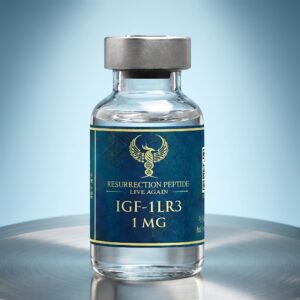
IGF-1 LR3 1mg Peptide | Long R3 Insulin-Like Growth Factor |
Original price was: $95.$65Current price is: $65. -
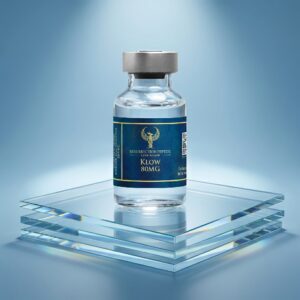
KLOW 80mg Peptide Stack | GH & HPG Axis Optimization |
Original price was: $100.$76Current price is: $76. -
SLU-PP-332 5mg | ERRα Agonist Exercise Mimetic |
Original price was: $130.$75Current price is: $75. -
HCG 10000 IU Peptide | Human Chorionic Gonadotropin |
Original price was: $95.$65Current price is: $65.







Reviews
There are no reviews yet.